- Home
- ›
- Blog Posts
- ›
- Why Does My Steering Wheel Shake?
Why Does My Steering Wheel Shake?

There is nothing more annoying or slightly unnerving than a steering wheel that starts to shimmy and shake while you are cruising down the motorway. As the driver, you are left wondering if their car is safe and how much the repairs might cost – but the good news is that most steering wheel vibrations are caused by simple issues that are easily fixed!
Understanding the source of a vibration is the first step toward figuring this out and restoring the smooth, comfortable ride you are used to. Use this quick guide to help narrow down the cause.
The Dynamics Of Vibration
Before diving into the specific causes, it is helpful to understand why steering wheels vibrate. Most modern vehicles are precision-engineered machines where the wheels, tyres, and suspension components work in harmony.
Even a tiny imbalance or a slight mechanical misalignment can be amplified through the steering column and into your hands. This feedback loop is actually a good thing, as it often alerts the driver to a problem long before it becomes a more serious mechanical failure.

How To Diagnose Your Steering Wheel Vibration
To find the root cause, it is first helpful to identify the specific circumstances under which the vibration occurs. These are the top 4 scenarios where you might experience steering wheel shakes, what they mean and how to fix them.
1. Constant Shaking At High Speeds
If your steering wheel begins to oscillate once you reach speeds between 80km/h and 100km/h, the most likely culprit is wheel imbalance. This is the most frequent cause of steering wheel shake encountered by tyre service centres.
Wheels and tyres are never perfectly balanced from the factory. To compensate for small heavy spots in the rubber or the metal of the rim, technicians apply small lead or zinc weights to the inner or outer edge of the wheel. If you have recently hit a pothole or brushed against a curb, you might have knocked one of these weights off. Even a small discrepancy of just a few grams can cause a massive vibration at motorway speeds due to centrifugal force.
How To Fix It: The fix for this is professional wheel balancing. Your local Mag & Turbo Tyre & Service Centre will be able to ensure your weights are back in sync for you using high-speed balancing machines that simulate road conditions. This process usually takes less than 30 minutes and can also significantly extend the life of your tyres.

2. Shaking Only When Applying The Brakes
If the vibration is felt through the pedal as well as the wheel, specifically when slowing down, your brake rotors are likely the issue. These metal discs are what your brake pads clamp onto to stop the car. Over time, high heat or rapid cooling (such as driving through a deep puddle after heavy braking) can cause these discs to become unevenly worn or warped.
When you press the brake pedal, the pads are trying to grab a surface that is no longer perfectly flat. This uneven contact creates a pulsing sensation that travels through the brake lines and up the steering rack.
How To Fix It: The fix for this one requires a professional and thorough brake inspection. Depending on the thickness remaining on the discs, sometimes they might be able to skim the rotors to make them flat again. However, if they have reached their minimum safety wear limit, replacement is the only safe option to ensure reliable stopping power.

3. Shaking For The First Five Minutes Of Driving
Does your car shake when you first pull out of the driveway, only to settle into a smooth ride after a few kilometres? This phenomenon is known as flat spotting.
If your vehicle has been parked for a few days or weeks, the weight of the car can cause the bottom of the tyres to flatten slightly against the pavement. This is particularly common in performance tyres with softer rubber compounds or in colder New Zealand mornings. As you drive, the friction between the road and the rubber generates heat, allowing the tyre to regain its circular shape.
How To Fix It: In this case, the fix is usually to do nothing at all. However, it serves as a good reminder to check your tyre pressures and the general health of your tyres. Under-inflated tyres flat-spot much faster because they lack the internal pressure required to hold their shape under the weight of the car.

4. Shaking After Off-Roading Or Heavy Rain
If the vibration started suddenly after you went off normal sealed roads, through a construction site, or even through a particularly muddy section of a dirt road, you may be experiencing the mud weight effect.
If a clump of dried mud or even a collection of road debris gets stuck inside the barrel of your mag wheel, it acts exactly like a misplaced wheel weight. Because it is often stuck to only one side of the rim, it throws the entire rotational mass out of balance.
How To Fix It: The fix for this one is pretty simple – a thorough cleaning! Give your wheels a high-pressure blast at the local car wash or at home. It is vital to spray behind the spokes and into the deep recesses of the rim where mud likes to hide.
Troubleshooting More Advanced Mechanical Wear And Issues
While the issues mentioned above are common, some vibrations are signs of deeper mechanical wear that should never be ignored. Here are some examples of situations where there might be more serious underlying mechanical issues.
Worn Suspension Components
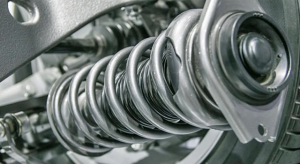
If you feel shaking accompanied by a knocking sound when you go over bumps, your suspension bushings or ball joints may be reaching the end of their service life. These components are designed to absorb road shock and keep the wheels pointed in the right direction. When they wear out, the wheels gain a small amount of play, allowing them to wobble independently of the steering input.

A shaking steering wheel is more than just a nuisance, it is your car trying to alert you that something requires attention. Ignoring a small vibration today can lead to uneven tyre wear, reduced fuel efficiency, and expensive suspension repairs tomorrow. If you are unsure, pop into your local Mag & Turbo Tyre and Service Centre for a quick tyre check today.
Steering Rack And Alignment
If the wheel shakes and the car tries to dive toward the left or right, your wheel alignment is likely out. An unaligned vehicle means your tyres are essentially fighting each other as you drive. This creates a vibration and will scrub your expensive tyres down to the wire in a matter of weeks. Proper alignment ensures that all four wheels are parallel and the steering wheel is centred.

Structural Tyre Failure
One of the most dangerous causes of a shake is a visible bulge in the tyre. If you see what looks like a bubble or an egg on the sidewall, stop driving immediately. This indicates that the internal carcass of the tyre has failed, and the air pressure is only being held in by a thin layer of outer rubber. A blowout is imminent in these scenarios.
Absence Of Hub Locating Rings In Aftermarket Wheels
If your vehicle has aftermarket wheels, there is an important component that helps to centre the wheels to your hubs. This component is called a Hub Locating Ring (also known as a Hub Ring, Centre Bore Locating or CBL Ring). Aftermarket Wheels are made to fit many types of vehicles, and when these rings are not present, the wheels may not be centred correctly and cause an imbalance at certain speeds.