- Home
- ›
- Blog Posts
- ›
- How To Choose The Right Tyres
How To Choose The Right Tyres
Your vehicle’s tyres are far more important than you might think – it may surprise you to know they can influence everything from handling and braking to fuel efficiency. Whether you’re navigating the daily commute, embarking on epic off-road adventures, or chasing performance goals, selecting the ideal tyres for your specific vehicle and driving habits will make a difference. Want to know more? This handy guide will walk you through making an informed decision when purchasing new tyres.
Understanding Tyre Basics
Tyres aren’t a one-size-fits-all thing, they are designed and built with distinct rubber compounds, differing tread patterns, and other structural elements all designed to improve performance under different conditions. So let’s break it down.
Tyre Tread Patterns
The intricate grooves and blocks on your tyre’s surface aren’t just for show, they are in fact, functional designs that influence how the tyre interacts with the road. Let’s take a look at the specifics of tread patterns.
Symmetrical (Also known as Non-Directional tyres). Traditionally found on standard everyday all-season tyres, these patterns have a uniform design across the entire tread surface. This allows for relatively quiet road noise, good ride comfort, even wear, and good fuel efficiency. These tyres can also be rotated in any position without affecting performance.
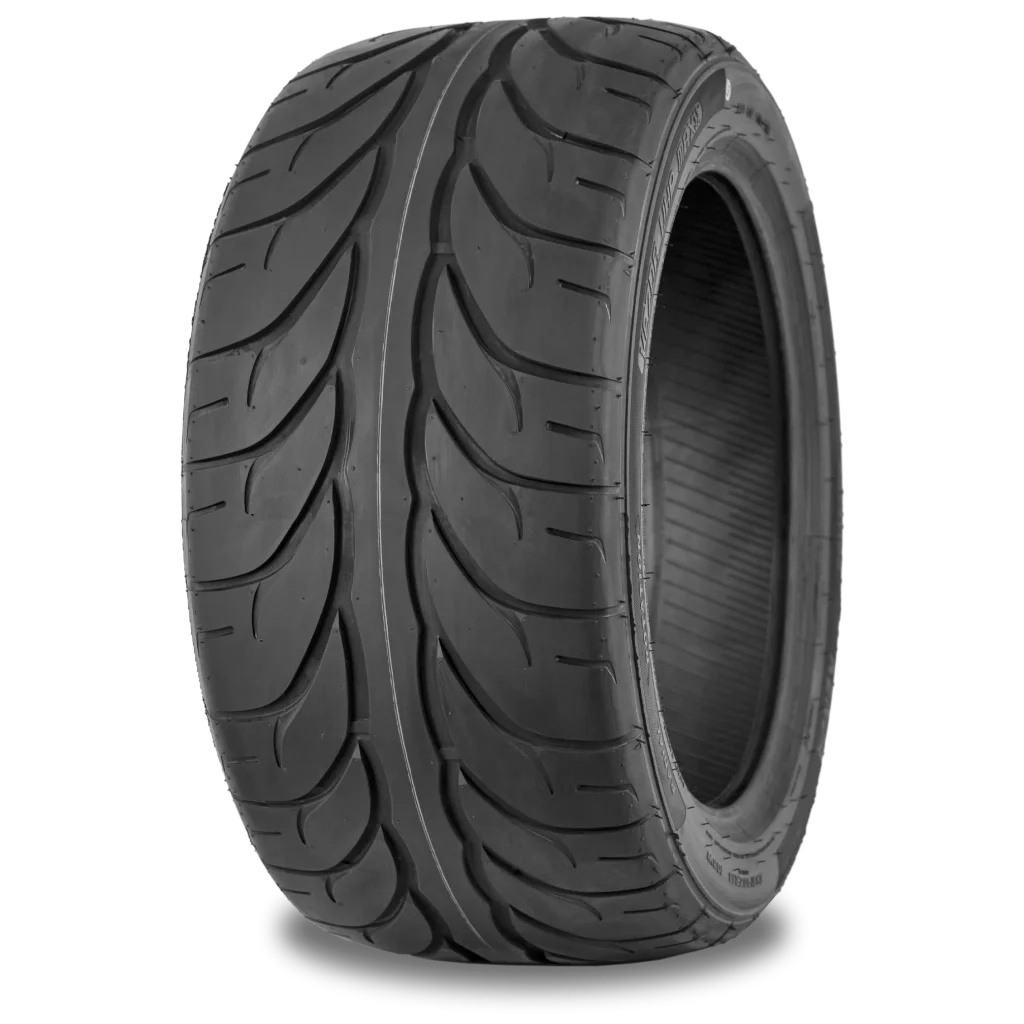
Directional. Displaying a distinctive v-shaped pattern, these tyres are designed to be used only rotating in a specific direction (as indicated by an arrow on the sidewall). The primary advantage of these directional tread patterns is superior water dispersion, making them highly effective at resisting hydroplaning in wet conditions and good stability at high speeds. Naturally due to the directional rotation requirements these tyres can only be rotated front-to-back to maintain their directional integrity.
Asymmetrical. With differing tread patterns on the inner and outer halves of the tyre, asymmetrical tread patterns offer the best of both worlds. The inner side is often designed for water dispersion and grip in wet conditions, while the outer side has larger tread blocks, good for dry grip and better cornering. Asymmetrical tyres are popular for performance vehicles as they offer improved all-around handling capabilities.
Tyre Profiles Explained
Tyre “profile” is not as complicated as it sounds and simply refers to the relationship between its sidewall height and its width (or the Aspect Ratio). This is a term commonly used to determine ride comfort, handling, and aesthetics.
- Low Profile Tyres. Characterised by a smaller sidewall height relative to their width. Enhanced steering responsiveness, better cornering stability, and a more aggressive and sporty aesthetic are common reasons why drivers choose low-profile tyres. However, they can sometimes result in a bumpier ride due to less cushioning from the sidewall, the possibility of greater susceptibility to wheel/rim damage from potholes, and potentially more road noise.
- High Profile Tyres. Featuring a taller sidewall relative to their width, these tyres are commonly found on family cars, SUVs, and most off-road vehicles in NZ. Ride comfort is the priority on these tyres with overall better absorption of road imperfections, reduced risk of wheel damage on rough roads, and potentially quieter road noise. However, the driver will sometimes experience a less precise steering response with more body roll when cornering.
Tyre Specifications (Codes)
Ever wondered what those numbers and letters on your tyre’s sidewall mean? These seemingly random numbers and letters aren’t just for show, they are a universally recognised ‘code’ giving information about your tyre’s size and capabilities. Understanding this information is essential for safety, ensuring you choose the correct replacements, and also for maintaining optimal performance.
Typically, you will see a sequence of numbers and letters that might look like this: 205/55 R16 91V. More on how to read your tyre size here.
- 205 – This is the width of the tyre in millimetres, from sidewall to sidewall.
- 55 – This is the aspect ratio, or profile. It’s the sidewall height as a percentage of the width (55% of 205mm). A lower number means a shorter, “lower profile” sidewall.
- R – Indicates Radial construction, the most common type where internal plies run radially.
- 16 – Is the diameter of the wheel (rim) in inches that the tyre is designed to fit.
- 91 – The Load Index, a numerical code indicating the maximum weight the tyre can safely carry. You’ll need a conversion chart to find the exact weight in kg (e.g., 91 = 615kg).
- V – The Speed Rating, a letter indicating the maximum speed the tyre can safely sustain (e.g., V = 240 km/h).
Beyond this primary sequence, you’ll also find the DOT code (including the manufacturing date, usually a four-digit number like “1224” for the 12th week of 2024), brand name, model, and sometimes specific markings like “M+S” (Mud + Snow) or “XL” (Extra Load).
Different Types Of Tyres
What kinds of tyres are out there and what situation are they best suited for? With so many different tyres it can be a bit tricky to figure out what ones are right for your car –let’s explore the different types and how they can make all the difference to your ride.
1. Weather-Specific Tyres
While New Zealand’s climate and mild weather (generally speaking) means we do have a certain level of flexibility, understanding the purpose of seasonal tyres and how they can help you drive safer is still beneficial.
All-Season Tyres
The most common choice for drivers across New Zealand, all season tyres present a balanced compromise, with reliable performance across a wide range of temperatures and ‘moderate’ weather conditions.
These tyres feature tread and composition that is aimed at flexibility in cool temperatures and durability in warmer conditions, offering an across the board blend of grip, longevity, and comfort. Which is why they are a popular choice for most everyday drivers in areas without extreme winter conditions.
Summer Tyres
Less common in NZ, summer tyres are crafted for peak performance in much warmer climates. Summer tyres are made from specific rubber compounds that are designed to harden slightly in high temperatures rather than soften to optimise grip and responsiveness.
Tread patterns often feature fewer sipes (small slits) and larger contact patches, leading to superior handling, cornering stability, and shorter braking distances, particularly on hot asphalt. However, once temperatures drop below around 7°C, the compound stiffens a little too much, reducing traction and making them unsuitable for use on icy or snowy surfaces.
Winter Tyres
Designed for cold, icy, and snowy conditions, winter tyres are engineered with a naturally softer rubber compound that retains its flexibility even in freezing temperatures. This flexibility allows them to conform better to the road surface, providing enhanced grip.
You will find winter tyres have a more aggressive tread pattern and feature deeper grooves, and a high density of sipes, which allow them to grip better in snow and ice and prevent the likelihood of hydroplaning. While valuable in genuinely harsh conditions, the softer nature of winter tyres means they do wear much faster and offer less precise handling in warmer conditions.
Given New Zealand’s relatively mild climate, dedicated winter tyres are not usually necessary unless you’re living in or frequently travelling to areas with consistent heavy snow and ice (e.g. through specific parts of the Southern Alps). Winter Tyres have a different end-of-service-life minimum tread depth of 4mm compared to other tyres, which is 1.5mm to 1.6mm.
2. Performance Tyres
For those who demand just that little bit more from their driving experience, there are specific tyres tailored for enhanced responsiveness and grip, especially at higher speeds.
- High-Performance Tyres. Taking a step up from the standard tyre options, high-performance tyres are built to deliver superior grip, offering improved cornering stability and better braking response times. These types of tyres feature stiffer sidewalls, a more aggressive tread design (often with larger tread blocks), and a stickier rubber compound. High-performance tyres are generally seen as ideal for sports cars, performance sedans, or drivers who appreciate superior handling capabilities, however they do sometimes result in a firmer ride and potentially shorter tread life compared to standard tyres.
- Ultra-High-Performance Tyres. The top of the range in (street legal) performance tyres, UHP tyres are designed for maximum grip and precision handling. These types of tyres are often found on supercars and high-end luxury sports cars. They feature advanced rubber compounds, sophisticated asymmetrical or directional tread patterns, and extremely stiff sidewalls for uncompromising handling and braking. These tyres generally have a relatively short tread life, but they do deliver a sought-after speed-friendly driving experience.

3. Off-Road Tyres For Your 4×4
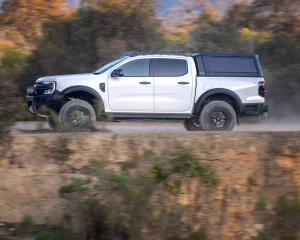
For off-road adventurers, farmers and other drivers whose vehicle needs to be able to go off-road at times, the tyre options are specifically designed to provide superior safety when driving on various unpaved surfaces, while still performing adequately on the highway to get you to and from jobs.
These types of tyres are generally considered all-terrain tyres as they are designed to strike a balance between on-road wear and tear and genuine off-road capabilities. They feature robust construction, deeper tread blocks, and often reinforced sidewalls, allowing them to provide reliable grip on gravel, dirt, and light mud while still maintaining reasonable noise and comfort on regular roads.
Genuine off-road tyres are not to be confused with all-terrain SUV tyres, which are primarily designed for road use, offering a comfortable, quiet ride and good fuel efficiency on paved surfaces with very minimal, if any, off-road capabilities. These tyres have a less aggressive tread pattern, similar to passenger car tyres, and are suitable for SUVs and 4x4s that spend most of their time on sealed roads.
4. What About Run-Flat Tyres (RFTs)?
Run-flat tyres are popular as they offer a bit of a safety net for drivers. How do RFTs work? They are engineered with heavily reinforced sidewalls that support the tyre in the event of a puncture, temporarily supporting the weight of the vehicle, allowing the driver to continue driving for a limited distance at a reduced speed to reach a safe location or tyre repair garage. Replacement of RFTs can be more expensive than conventional tyres, and not all punctures are repairable.
5. Tyres For Your Electric Vehicle (EV)
EVs present unique demands on tyres and are engineered differently from conventional vehicle tyres. They focus more on reducing rolling resistance to maximise range, and handling higher loads and providing enhanced grip to manage the rapid acceleration. EV tyres also often feature noise-reducing technologies, like foam inserts, to compensate for the absence of engine noise and ensure a quieter cabin experience. When replacing tyres on your EV, it’s important to select those specifically designed for electric vehicles to maintain optimal performance, efficiency, and safety.
Top 5 Questions To Ask When Looking For The Perfect Tyres
Navigating the vast world of tyres can be tricky, but it doesn’t have to be – start with the basics and you will find the “perfect match” for your vehicle really depends on just a few factors. Answer these questions and you will be well on your way to deciphering the unspoken tyre code when purchasing your next set of tyres.
- What kind of vehicle do you drive? Hatchback, Sedan, SUV, 4×4, Sports Car, Commercial Van?
- What are your typical driving conditions? Mostly city roads and highways, rural roads and gravel roads, off-road trails or a mix?
- What is the prevailing climate like where you live? Mostly mild, or consistently cold with the possibility of snow, or prone to heavy rain and flooding?
- What is your driving style? Relaxed or speedy?
- What are your priorities? Longevity, comfort, fuel efficiency, ultimate grip, off-road capability?
At Mag & Turbo, we pride ourselves on being more than just your local tyre shop. Our experienced team understands New Zealand’s roads, driving conditions and vehicles and we provide expert advice tailored to your specific situation, ensuring you get the best balance between performance, safety, and value for money. Ready to find your perfect tyres? Don’t hesitate to visit your nearest Mag & Turbo branch or give us a call, we’re here to help you get the most out of your vehicle, every time!