Going Big On Your Wheels And Tyres?
New Zealanders have a strong affinity for their 4×4 vehicles. Whether it’s heading out with the boat on the weekend, taking it off-road for a good old kiwi adventure, or

Have you ever looked at the side of your car’s tyre and wondered what the numbers and letters mean? Although the markings may seem like a bit of a secret code, what if we told you that understanding that code is important for knowing what replacement tyres to buy, as it contains important information about tyre size, load, and much more!
Where can you find your tyre sizing? All the information you need is printed on the sidewall of your tyre as a series of numbers and letters. In our video below, we’ll explain what they mean so you can read your tyre size like a pro!
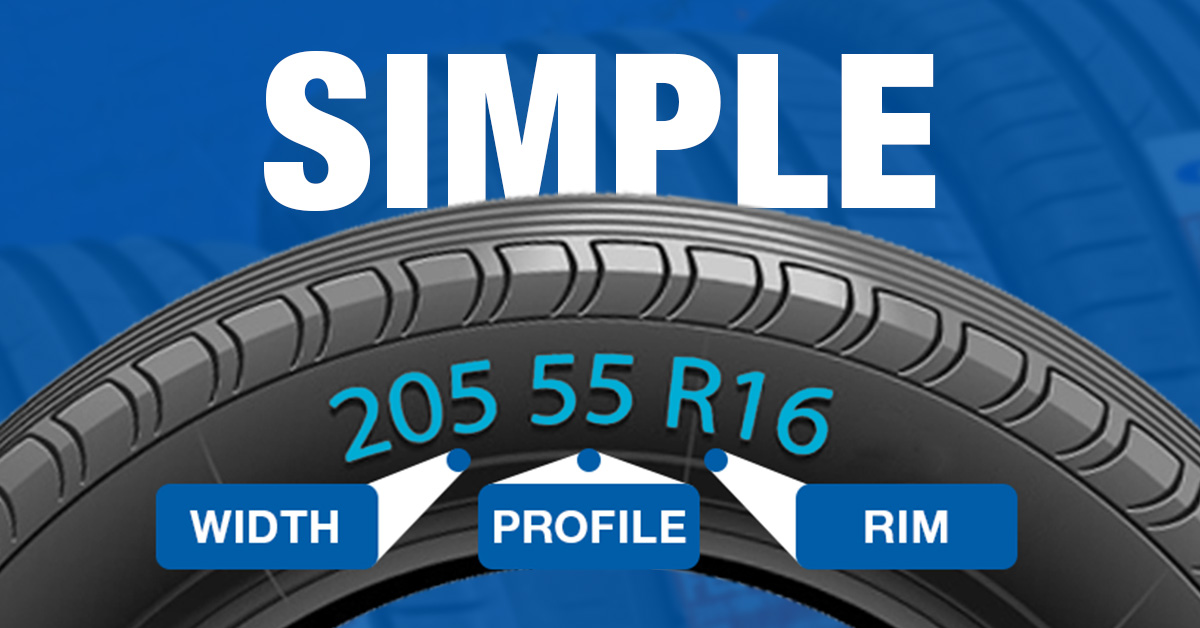
While it might look like random gibberish, each part of the numbers and letters on your tyre has a specific meaning. Let’s break down a standard tyre size code using 205/55R16 91V as our example.
The first number in the code refers to the width of the tyre (in millimetres). This is the measurement from one sidewall to the other. In our example, the tyre is 205 millimetres wide. A wider tyre generally provides more grip and stability.
The number after the forward slash is the aspect ratio or “tyre profile.” This is a percentage that expresses the height of the sidewall as a proportion of the tyre’s width. In this case, the sidewall height is 55% of the 205mm width. A lower aspect ratio (e.g. 40) means a shorter sidewall, which is typical for performance vehicles, while a higher number (e.g. 70) indicates a taller sidewall, which provides a more comfortable ride.
The letter that follows the aspect ratio indicates the tyre’s internal construction type. ‘R’ stands for ‘Radial’, which is the most common construction for modern passenger cars. In a radial tyre, the internal plies are laid out at 90 degrees to the direction of travel, offering better handling and a smoother ride. ‘D’ stands for ‘Diagonal’ or Bias-ply, where the plies cross over each other. This is more common for certain off-road or heavy-duty vehicles.
The next number is the diameter of the wheel rim in inches. This is the most critical number for ensuring a tyre will fit your vehicle’s wheel. In our example, this tyre is designed for a 16-inch wheel.
The final letter is the speed rating. This is a code that tells you the maximum speed at which the tyre can safely carry its maximum load. Like the load index, it’s a letter code that corresponds to a specific speed in km/h or mph. For example, a ‘V’ speed rating means the tyre is rated for a maximum speed of 240 km/h (149 mph).
The two-digit number that follows the rim diameter is the load index. This is a code that corresponds to the maximum weight a single tyre can carry when properly inflated. You need to refer to a load index chart to find the corresponding weight in kilograms or pounds. For example, a load index of 91, means the tyre can carry a maximum load of 615 kg.
Your tyre size/code recommendations, as detailed in your owner’s manual, are important because they indicate the manufacturer’s nominated tyre size for your vehicle. Purchasing tyres that differ from the manufacturer’s nominated tyre size can potentially affect the safety, performance, and legal compliance of your vehicle, and even in extreme cases, make your vehicle un-roadworthy. This is because the manufacturer’s recommended size is a result of extensive engineering to ensure optimal braking, traction, and stability. Deviating from these recommendations could potentially result in:
Understanding the key components of tyre sizing can help you identify and select the correct tyres for your vehicle more confidently, ensuring better safety and performance on the road! Looking for new tyres – check out the full range of Mag & Turbo tyres here.

New Zealanders have a strong affinity for their 4×4 vehicles. Whether it’s heading out with the boat on the weekend, taking it off-road for a good old kiwi adventure, or

Regular maintenance on your petrol or diesel-fuelled vehicle matters way more than you think. Servicing your car is like taking it in for a health checkup – it’s not just
Your tyres are the thing that takes the biggest hit when driving on our sometimes less than ideal New Zealand roads. Plus, they represent one of the most significant ongoing